

Since the release of China's first comprehensive document on the energy storage industry — the Guiding Opinions on Promoting the Development of Energy Storage Technology and Industry — in 2017, a total of over 2,200 energy storage policies had been issued nationwide as of July 2024. These policies mainly cover areas such as development planning, industry subsidies, electricity market reforms, and renewable energy + storage mandates.
According to incomplete statistics from the CNESA DataLink Global Energy Storage Database, as of the end of June 2024, China's cumulative new energy storage installed capacity exceeded 100 GWh for the first time, reaching 48.18 GW / 107.86 GWh. This represents a year-on-year increase of 129% in power capacity and 142% in energy capacity (see Figure 1).
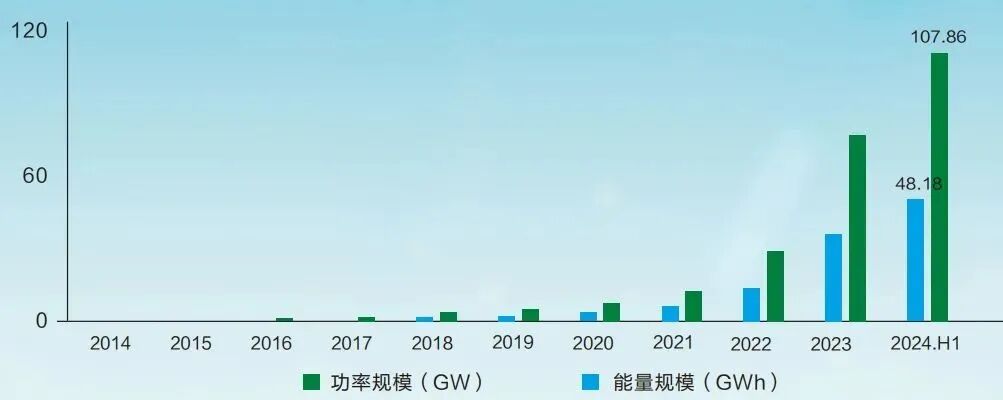
Figure 1: Cumulative Installed Capacity of Operational New Energy Storage in China
(as of the end of June 2024)
Data Source: CNESA DataLink
New energy storage accounts for 46.6% of total installed power capacity, among which lithium-ion batteries represent the largest share at 96.4%. Other technology routes such as compressed air energy storage, lead-acid batteries, flow batteries, and flywheel energy storage have also achieved a certain scale of operational installation (see Figure 2).
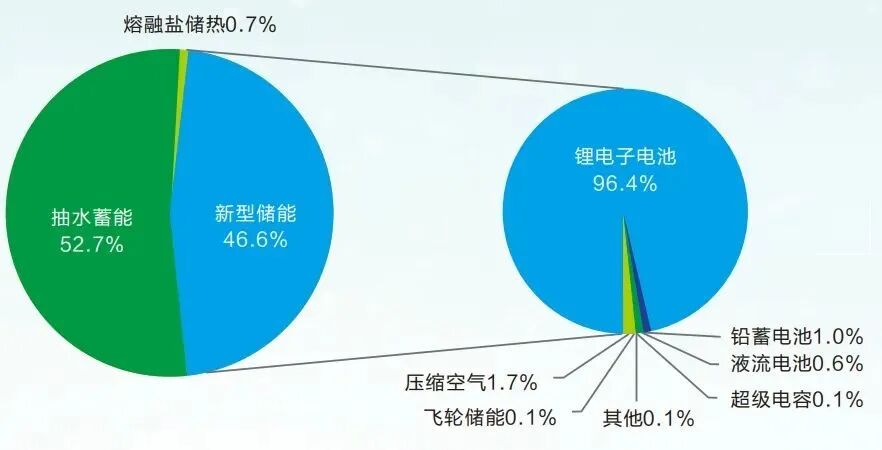
Figure 2: Cumulative Installed Capacity Distribution of Power Energy Storage Projects in China
(as of the end of June 2024) Unit: MW%
Data Source: CNESA DataLink
In terms of geographical distribution, regions such as Xinjiang, Inner Mongolia, Shandong, and Jiangsu have relatively high cumulative installed capacities. The top ten provinces together account for 72% of the total power capacity and 73% of the total energy capacity.
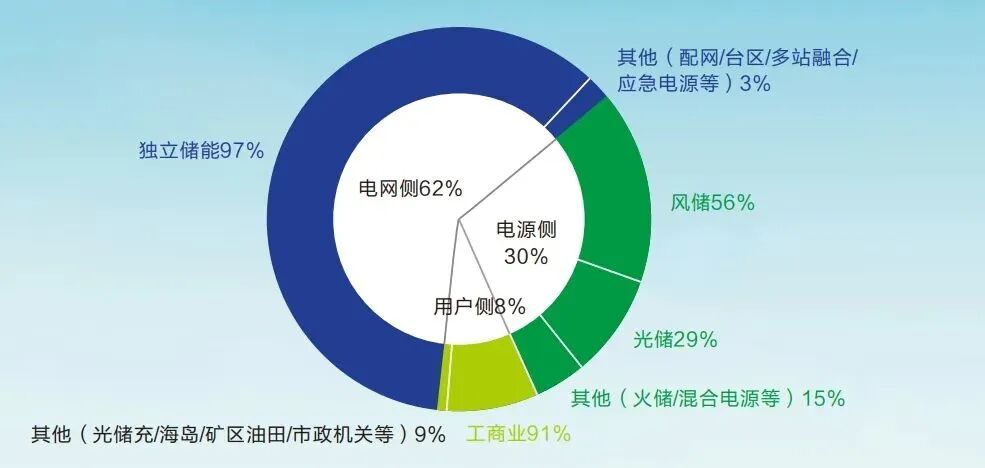
Figure 3: Application Distribution of Newly Operational New Energy Storage Projects in China (H1 2024)
Unit: MW%
Data Source: CNESA DataLink
New energy storage can be categorized by technology route into electrochemical energy storage (lithium-ion batteries, sodium-ion batteries, flow batteries, etc.), physical energy storage (compressed air energy storage, flywheel energy storage, gravity energy storage, etc.), and electromagnetic energy storage (superconducting magnetic energy storage, supercapacitors, etc.), encompassing dozens of different energy storage technologies. Each type of energy storage technology has its unique characteristics and can meet the needs of different application scenarios. For example, flywheel energy storage and supercapacitors offer fast response capabilities to meet second-level frequency regulation demands; compressed air energy storage and flow battery energy storage, as long-duration energy storage technologies, are better suited for long-duration power peak shaving; sodium-ion batteries, benefiting from widely available raw materials and the gradual maturation of their industrial chain, are expected to partially replace lithium-ion batteries.
In recent years, investment enthusiasm in the new energy storage industry has been high, with the industrial scale continuing to expand. Various types of investors have entered the market, leading to explosive growth in the number of registered enterprises. According to incomplete statistics from the CNESA DataLink Global Energy Storage Database and big data platforms such as Qichacha, as of the end of March 2024, the number of enterprises involved in energy storage business nationwide had exceeded 170,000, with nearly 160,000 enterprises in active operation. This represents a 79% increase compared to the same period in 2022, and is approximately 4.5 times the number at the beginning of the 14th Five-Year Plan period. The provinces and cities with the highest number of active energy storage enterprises include Guangdong, Jiangsu, Zhejiang, Beijing, Shandong, Anhui, and Henan.
Currently, lithium-ion batteries still dominate energy storage installations. In the future, as the share of renewable energy gradually increases, power systems will impose higher requirements on flexible resources — necessitating both faster response capabilities for shorter time scales and enhanced regulation support for longer time scales. As a result, the trend toward diversification of technology routes will become more apparent.
In the future, as a multi-level market system that reflects the true value of new energy storage is further established and improved, the revenue of energy storage power stations will increase. At the same time, higher demands will be placed on station operation strategies. With the rapid development of modern information and advanced communication technologies, energy storage will become deeply integrated with information technology. By leveraging artificial intelligence and big data technologies in areas such as power forecasting and electricity trading, and through integrated data processing, intelligent analysis and optimization, real-time monitoring and alerting, and intelligent dispatch and control — combined with dynamic optimization of charge/discharge strategies based on electricity market conditions — optimal configuration of battery packs and storage equipment can be achieved. This will reduce penalties under the dual-regulation assessment, increase spot market revenue, minimize curtailment losses, and improve the overall utilization rate and profitability of energy storage systems.
Green development emphasizes resource renewability and environmental protection. As global attention to sustainable development grows, energy storage solutions will increasingly prioritize environmental friendliness. Promoting green development in energy storage solutions will help companies gain a competitive advantage in the market.
On one hand, it is necessary to promote resource recycling and sustainable material utilization. Establishing a comprehensive recycling system can effectively reduce the environmental hazards of waste batteries, while recovering valuable materials from batteries also reduces the extraction and consumption of natural resources, thereby enabling circular resource utilization. However, current battery recycling technologies are not yet mature, and both recycling rates and reuse efficiency urgently need improvement.
On the other hand, reducing the carbon footprint of energy storage batteries is an important measure to break through green barriers. In the future, measures such as increasing the use of renewable raw materials, raising the proportion of renewable energy used in production, and building low-carbon factories should be adopted across areas including raw and auxiliary materials, energy consumption, and environmental emissions — to further reduce the carbon footprint of products.
Apart from lithium batteries, many energy storage technologies have not yet been fully commercialized, and their performance, efficiency, and safety still require further validation. Lithium batteries are the most mature technology in new energy storage, but safety remains a key challenge constraining their development. Flow batteries offer long cycle life and high safety, but still need further improvements in energy efficiency and cost reduction. Sodium-ion batteries must overcome issues such as low energy density and insufficient cycle life. Solid-state batteries suffer from poor solid-solid contact stability and low ionic conductivity, requiring further efforts in materials science and manufacturing technologies. In summary, accelerating technological innovation in energy storage and improving technological maturity is key to addressing a range of challenges facing the energy storage industry, and is also a necessary path for energy storage to better serve the construction of new power systems.
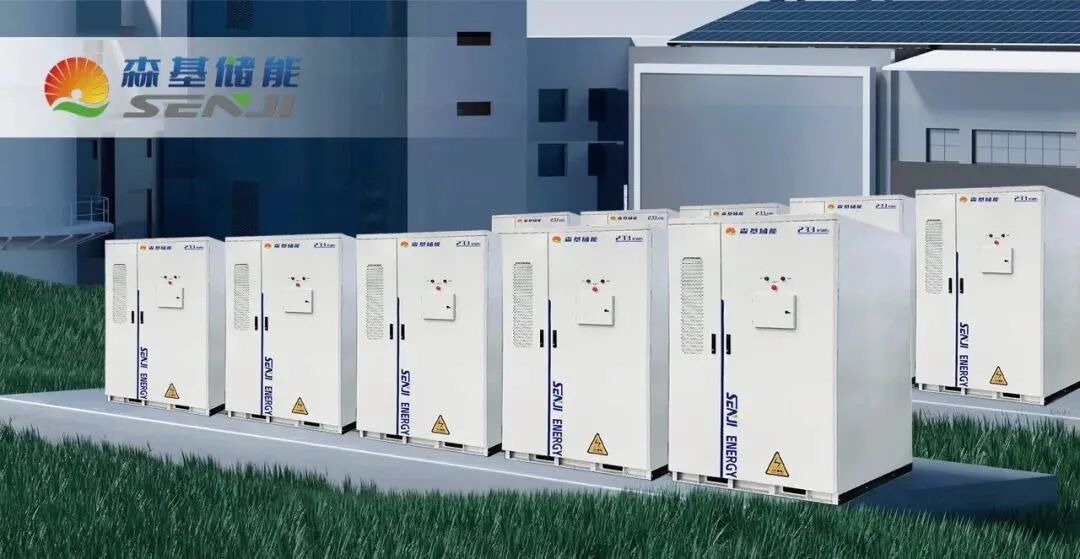
Jiangsu Senji Energy Storage Technology Co., Ltd., a subsidiary of Jiangsu Senji Group Holding Co., Ltd., is one of China's top ten distributed energy storage system brands. Founded in 2008, Jiangsu Senji Group has over 350 employees, a factory area of more than 20,000 square meters, and an annual production capacity of 2 GWh. Equipped with standardized workshops, the company focuses on energy storage investment and the independent R&D, design, sales, and service of industrial and commercial energy storage cabinets, integrated energy storage pods, rack-mounted lithium batteries, stacked lithium batteries, vehicle-mounted power lithium batteries, and portable lithium batteries.
We are a high-tech enterprise built on high quality and superior service. Located in Wuxi City, Jiangsu Province, China, the company enjoys convenient transportation. We are committed to strict quality control and thoughtful customer service. Our experienced staff are always available to discuss your requirements and ensure complete customer satisfaction. The company has obtained certifications including ISO9001, ISO14001, CE, and UL. Our products are widely used in solar and wind energy storage systems, electric vehicles, solar street lights, telecommunications, UPS, industrial power, forklifts, power tools, smart power supplies, and many other fields. Our products are sold well across all provinces and cities in China and are also exported to Europe and other countries and regions.
Guided by the service philosophy of "providing customers with high-quality, reliable, and cost-effective solutions," the company leverages industry advantages and brings together talent from various sectors. We adhere to independent R&D, continuously optimize production processes, improve production efficiency and product quality, and uphold strict manufacturing standards. Together with industry peers both domestically and internationally, we are committed to advancing the battery industry to new heights of excellence.

Hi! Welcome back.
How are you doing?


