
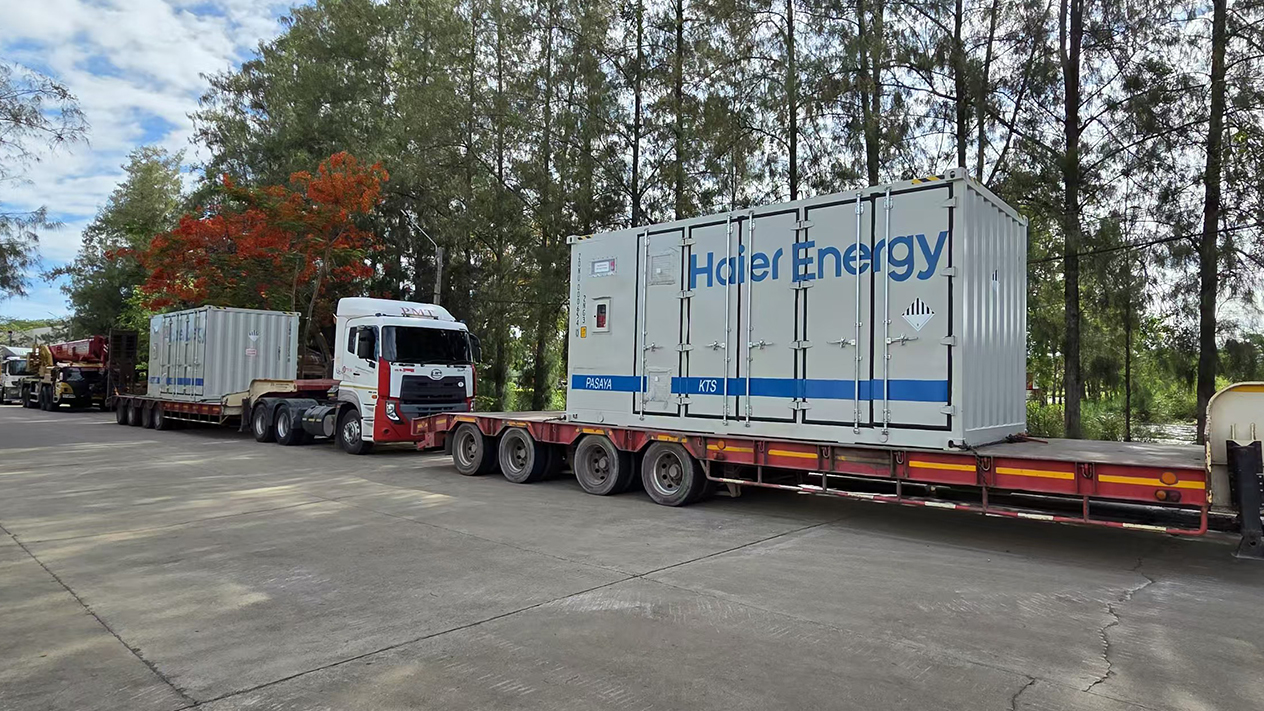
Senke Energy Storage teams up with Haier to launch a 12.5 5MW solarstorage-diesel project at PASAYA headquarters in Thailand

Project Name & Positioning:
The project may be named "PASAYA Headquarters Solar-Storage-Diesel Integrated Smart Energy Project." Its core positioning is likely to build a "green factory" benchmark, aiming to achieve energy self-sufficiency for the industrial park or reduce reliance on the main power grid through multi-energy complementarity.
System Composition & Scale Estimates:
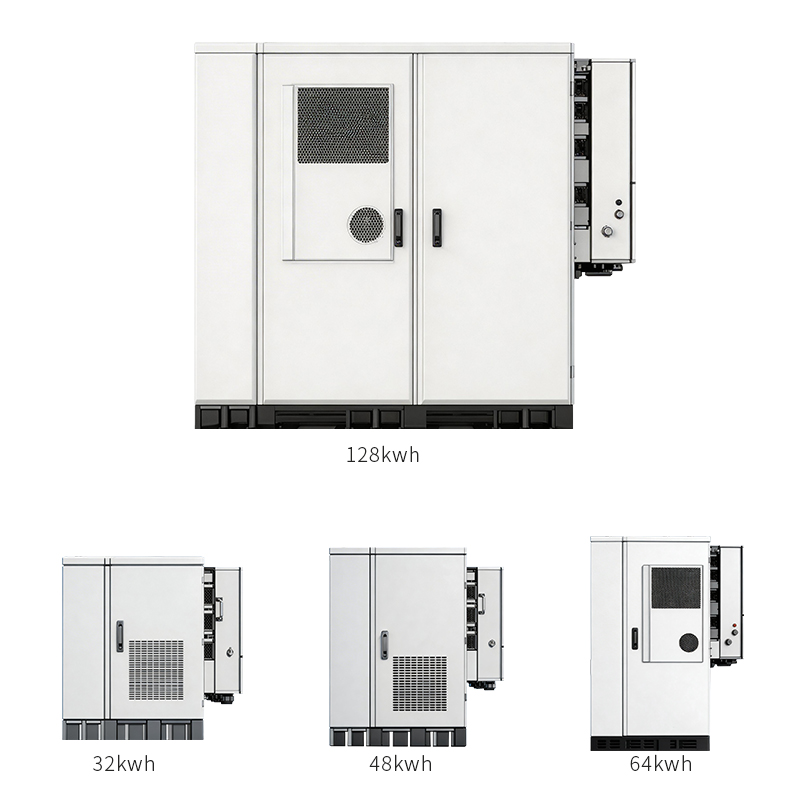
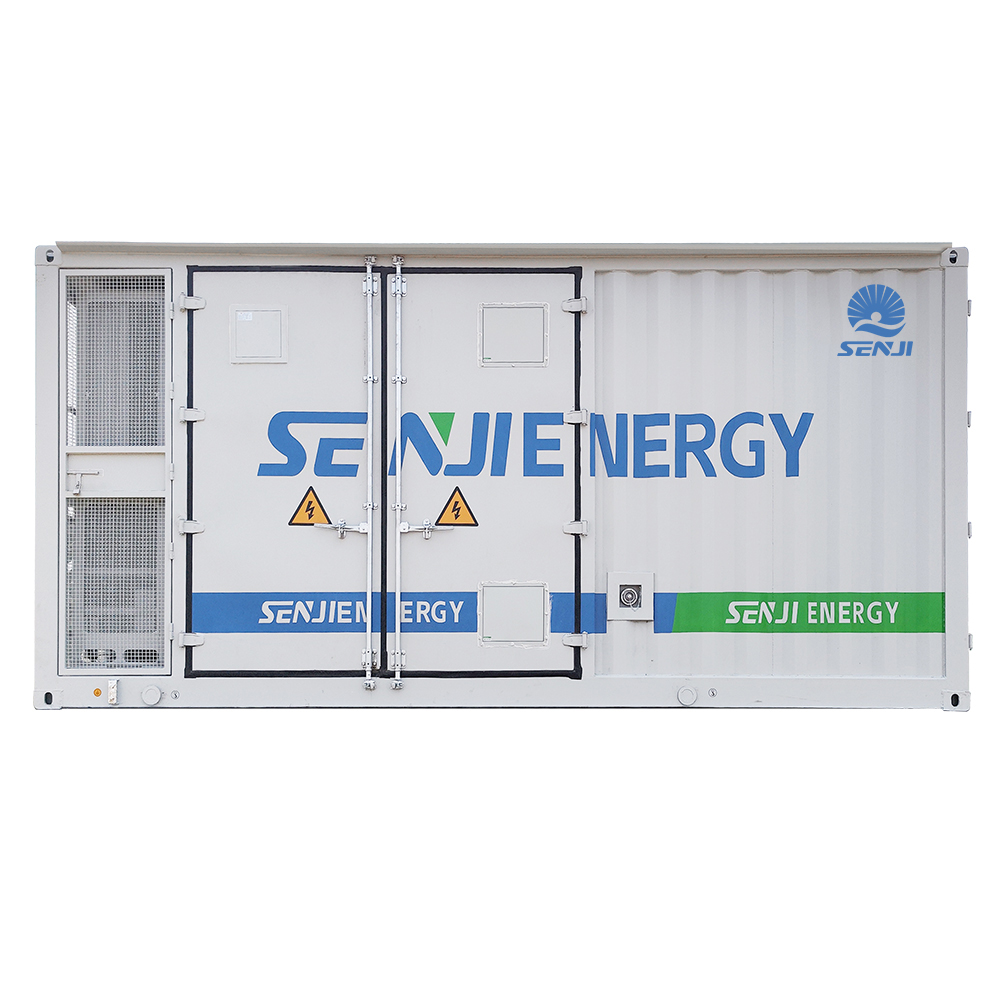
On the solar PV side, distributed photovoltaic panels are typically installed on the factory rooftops or carports. On the energy storage side, a 12.5MW/5MWh (i.e., a 2-hour system) battery energy storage system is deployed in containerized units, primarily serving peak shaving and emergency backup power functions. On the diesel generator side, it is usually deployed as the final layer of power assurance under extreme conditions.
Collaboration Model & Division of Responsibilities:
Senji Energy Storage likely acts as the energy storage system integrator and overall energy solution provider. Haier likely leverages its manufacturing and engineering capabilities in Thailand to handle electromechanical installation, or to supply key equipment such as PV modules or inverters.
Technical Highlights (Estimated):
The project is expected to deploy a Smart Energy Management System (EMS) to coordinate and optimize the operation of solar PV, storage, and diesel generators. Since diesel generators have slower response times, the energy storage system typically assumes the functions of "black start" (restarting the system without external power) and instantaneous voltage/frequency stabilization, thereby improving overall power supply reliability.
Expected Benefits & Value:
Economically, the project is likely to capitalize on the peak-valley electricity price arbitrage for commercial and industrial users in Thailand. Functionally, it aims to address the intermittency of solar power generation, ensuring stable and uninterrupted production at the factory. Environmentally, it contributes to reducing carbon emissions and enhancing the company's sustainability credentials.

Hi! Welcome back.
How are you doing?